EXPULSO da FAZENDA sem NADA, Ele comprou uma terra SECA por TROCADOS… o que nasceu ali virou o jogo
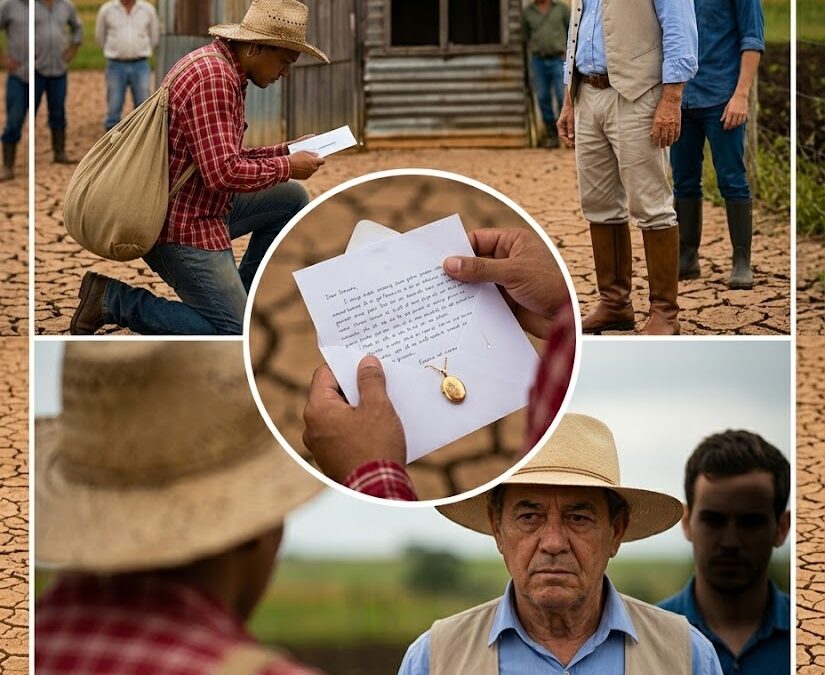
EXPULSO da FAZENDA sem NADA, Ele comprou uma terra SECA por TROCADOS… o que nasceu ali virou o jogo
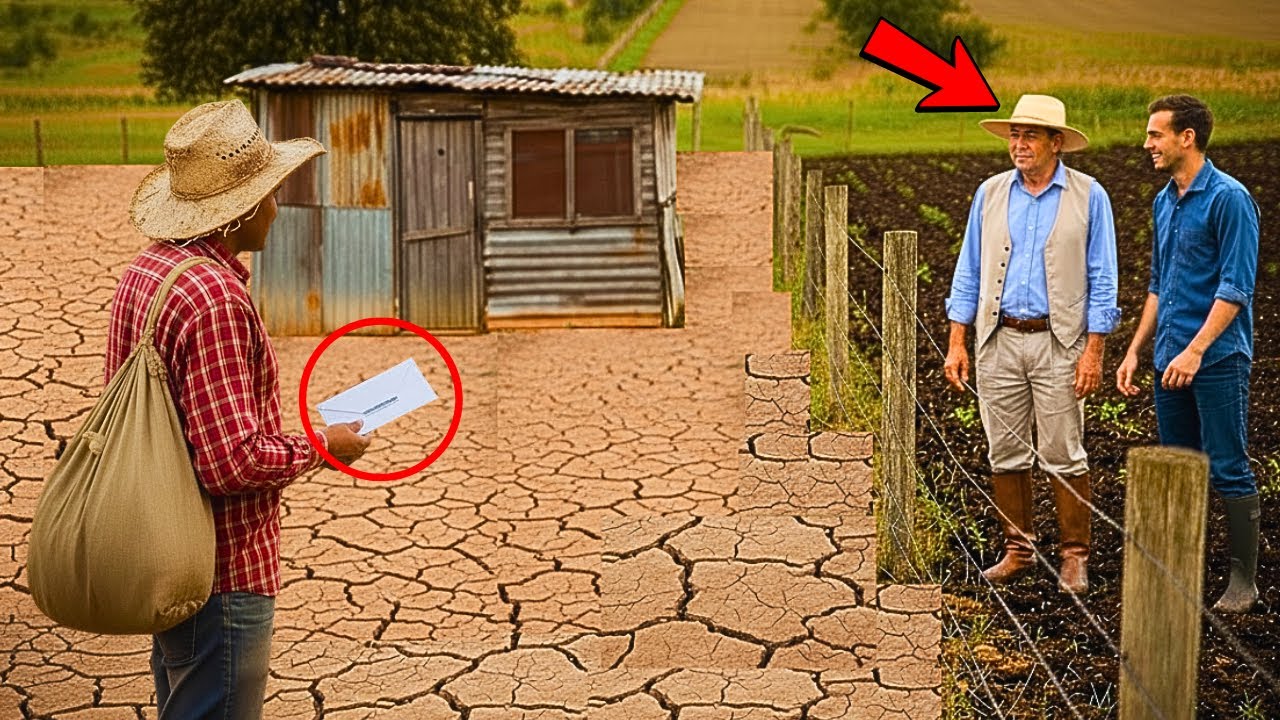
R$200 was all Dirseu had in his pocket when he stopped in front of that abandoned piece of land. 5 hectares of white sand where not even weeds grew. Everyone in the region knew. That was land that nobody wanted. But from his side he could n’t see any sand that wasn’t yielding anything.
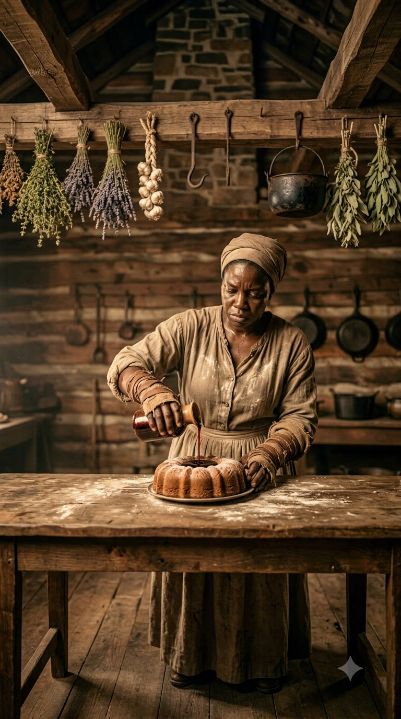
He was seeing his last chance to regain his dignity, to prove to himself that his knowledge was worth something, and what sprouted from that dry land ended up being worth more than anyone imagined. Dirceu knelt on the red earth, picked up a handful of damp soil, and took a deep sniff. The other farmhands from the Boa Vista farm had left long ago , but he stayed, he always stayed, not because he liked working for free, but because the land spoke to him in a way it didn’t speak to anyone else.
He rubbed the soil between his fingers; it was too clayey and compacted. If it rained heavily, it would soak and suffocate the roots of the new coffee plants that Durval Monteiro, the owner, had ordered to be planted last week. Dirceu shook his head. That was going to cause problems. He had already seen this movie before.
Three years ago, it was Dirseu who saved the entire plantation when a borer infestation began to spread. While the hired agronomist was rambling on about imported pesticides, Dirceu simply observed the pattern of attack, isolated the infected areas, and suggested crop rotation on the edges. It worked. Productivity increased by 30% that year.
Durval thanked everyone in front of them. He didn’t pat the man in the lab coat on the back. Dirceu received an extra R$100 at the end of the month, discreetly without his name being mentioned. But Dirseu didn’t care that much. He enjoyed watching the crops grow healthy. It was as if the plants were his daughters.
He didn’t need a medal to take care of them. I had a battered notebook where I wrote everything down in a slow, hesitant handwriting: dates, weather, results, simple drawings of diseased leaves, rain patterns. The gate of the Rangeu farm. Dirceu looked up and saw Durval’s imported pickup truck, kicking up dust on the road. He wasn’t alone.
On the passenger side, a young man with sunglasses and a rolled-up dress shirt, the kind who’d never gotten his hands dirty in his life. Vinícius Monteiro, the son. Dirceu had heard the rumors last week. Vinicius had just graduated in agronomy from a very expensive private university in the capital.
Durval wouldn’t stop bragging at the bar. My son is going to modernize this farm. It will bring cutting-edge technology, first-world stuff. The pickup truck stopped near where Dirceu was. Durval came down with a broad smile, his chest puffed out with pride. Vinicius went down to the other side, looked around with the expression of someone assessing an inferior property.
“Dirceu, come here, I want to introduce you to my son.” Durval waved excitedly. Dirceu wiped his soiled hand on his pants and approached. He extended his hand to the boy. Nice to meet you, young man. Vinicius shook his hand disinterestedly, as if he didn’t want to talk. Hi. Durval didn’t notice the coldness. He was too busy, pointing to the plantation, gesturing broadly, explaining the plans.
Vinicius’s idea is to modernize everything here. Soybean monoculture, heavy machinery, cutting- edge products—things that yield quick results, you know? This business of mixing crops, planting legumes, all that old-fashioned stuff, is over. Dirceu felt his stomach tighten. Monoculture on that clay soil, producing crops without crop rotation.
That would destroy the farm in two years. He took a deep breath. I didn’t want to cause trouble, but I also couldn’t stand by and watch the farm he helped save three times being destroyed by arrogance. Mr. Durval, with all due respect. Dirceu started slowly, choosing his words carefully. This soil here is very clayey.
If you compact it with heavy machinery and don’t rotate it, it will become as hard as cement. And the heavy defensive tactics run with the good little creatures from the ground. I think you think so. Vinícius interrupted, turning to Dirceu with a raised eyebrow. How long did you study to find this? A heavy silence fell.
Dirceu swallowed hard. I’ve been working on this land for six years. I know how she behaves. Ah, you know. Vinicius gave a short chuckle, turning to Durval. Dad, are you serious ? Are you going to let a farmhand question an agronomy project based on scientific research? Durval frowned, looked at Dirceu, then at his son.
Dirceu witnessed the exact moment when his boss chose which side to take. Dirceu, I understand that you have good intentions. Durval spoke in a tone that attempted to be gentle, but sounded condescending. But Vinicius studied this professionally. He knows what he’s doing. Respect the boy’s development as a young man.
Vinicius crossed his arms, satisfied. Dirceu felt his face grow hot, not from anger, but from a sense of injustice. He had saved that farm three times. He had increased productivity, avoided enormous losses, and now he was being treated like a stubborn child for suggesting caution. Yes sir . Dirceu lowered his head.
Sorry. I just wanted to help. I know, I know. Durval gave him a light tap on the shoulder, distracted, already turning his attention back to his son. But let Vinicius work now, it will be good for everyone. In the following days, Vinicius began to give orders. Heavy machinery has arrived.
The soil was thoroughly tilled, compacted, and prepared for monoculture. Dirceu watched everything from afar, quietly, feeling his heart clench with each wrong decision. Until one morning, João, another farmhand, approached him during the break. The boss is saying you’ve been spreading bad news about his work. Dirceu froze. What conversation? I didn’t say anything to anyone because he told Durval that you’re undermining his authority, that you’re putting ideas in the heads of the other employees.
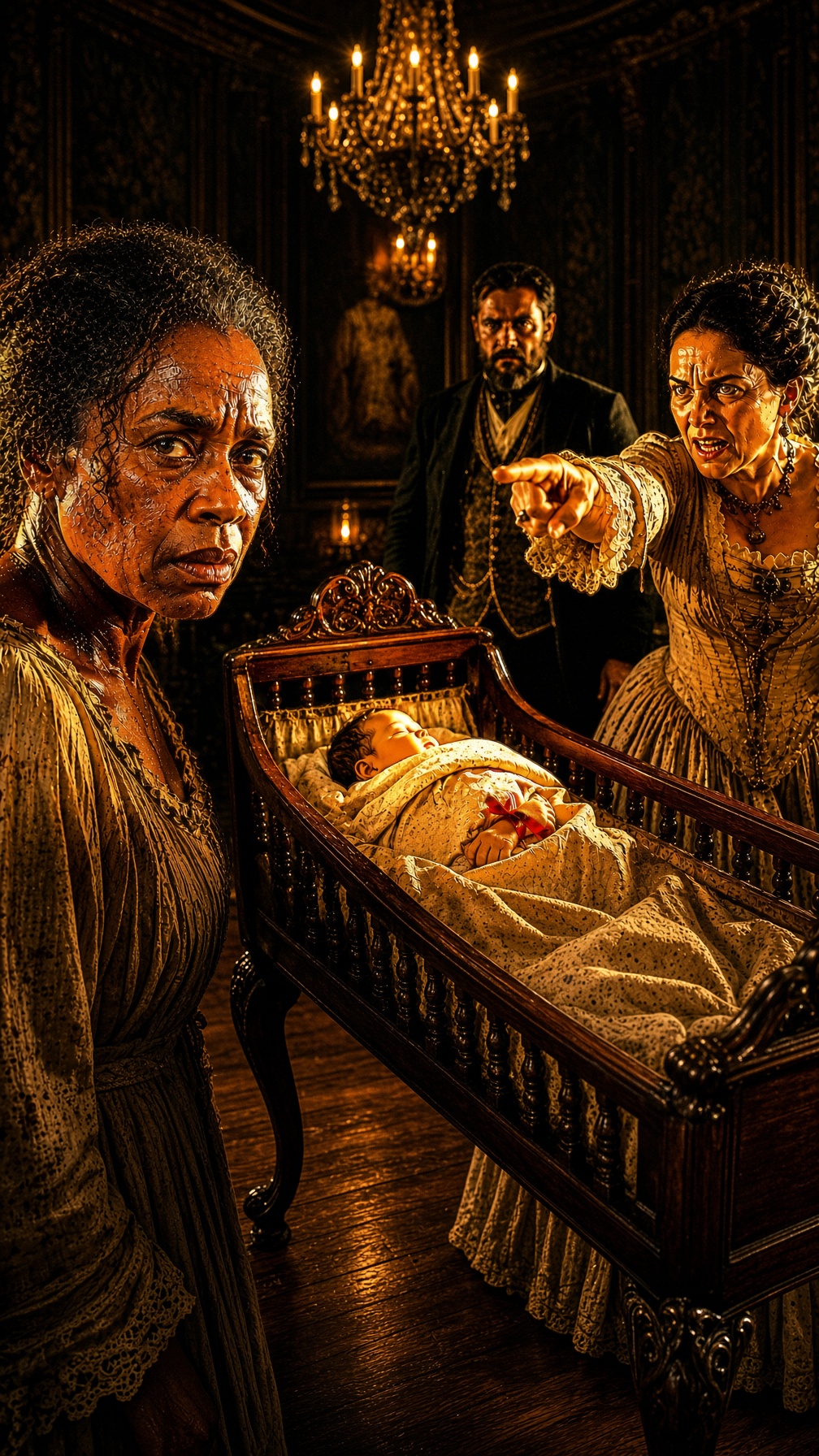
Dirceu felt the ground disappear from beneath his feet. Two hours later, Durval called him into his office, and when Dirceu entered the room, he saw his boss’s stern face and knew what was happening. His life was about to be turned upside down . Durval was sitting behind the wooden table. Fingers intertwined, jaw clenched.
Vinícius was leaning against the wall next to him , arms crossed, with that little smirk on the corner of his mouth that Dirceu was already learning to hate. “Sent!” Durval pointed to the plastic chair in front of the table. Diceu sat down slowly, his hands sweaty. The office smelled of leather and stale coffee.
Dirceu Durval started, and from the tone, Dirceu knew there was no turning back. You’re a good worker, you always have been. But I’m hearing some things that I don’t like. Mr. Durval, if it’s about what I said the other day, it’s not just about what you said. Durval cut sharply. It’s about what you’ve been spreading.
Vinicius stepped forward. So why did Zé Antônio come and ask me if monoculture would destroy the soil? Why did Toninho say that you said it wouldn’t work ? He said he felt his blood boil. I never said that. Are you calling my son a liar? Durval’s voice rose a tone. Dirceu froze, looking from one to the other.
He realized too late that it was a trap that had already been set. Do you know what the problem is, Dirseu? Vinicius took two steps in his direction. Do you think you know more than everyone else ? You’re undermining my authority, and that’s not going to happen. Dirceu looked at Durval, searching for any sign of doubt, but his boss had a closed, determined expression.
Durval Dirceu tried one last time. Trembling voice. I’ve been working here for six years. Do you remember when the borer attacked, who saved the crop? And I paid you for it. Durval slammed his hand on the table. Nobody here owes you anything, kid. Now I have a son who’s graduated and wants to modernize this farm, and you’re just sitting there with your old man talk. This is no longer acceptable. But Mr.
Durval, that’s enough. Durval stood up from his chair. People who create conflict don’t belong here. Pack your things and leave today. The silence that fell was deafening. Dirceu was paralyzed for 6 years. He saved the farm three times and was being discarded as if he had never done anything there.
Are you sending me away? I am. Durval turned his back. And there’s no point in arguing, let’s end it here, take what’s yours and go. Dirceu felt his legs go weak when he stood up. He looked at Vinicius, who had that satisfied little smile on his face. The earth does not forget. Dirceu spoke softly, but firmly. Vinicius laughed.
Oh, really? You can go ahead, buddy. Dirceu left that office with blurred vision, not from tears. He wasn’t going to give them that satisfaction, but it was out of pure anger. mixed with disappointment. He went to the small room at the back of the farm, where he kept his things. She grabbed her worn-out backpack, stuffed in her three changes of clothes, her notebook with planting notes, and a photo of her mother.
He counted the money kept in the bottom of the tank. R$200, R$ 200. 6 years of hard work. That was all he had in the world. When he passed through the farm gate for the last time, some farmhands watched silently from afar . No one came near. They were afraid of losing their jobs too. The following week, Diceu raided every farm in the region.
Fazenda São José, I ‘m not hiring. Fazenda Santa Cruz already has enough people. Água Limpa farm, aren’t you the one who was expelled from Boa Vista for insubordination? The news had spread. Durval had told his version of events to everyone. I had to fire Dirceu. He was sabotaging my son’s work, filling the heads of other troublemakers with nonsense.
Nobody wanted to hire someone labeled as problematic. Dirceu spent three weeks sleeping on his cousin Reinaldo’s couch in a two-room shack. He did odd jobs in construction, carrying bricks, mixing mortar, breaking down walls—work that hurt his back and paid R$ 50 a day when he had any. When I didn’t have any, I spent the night in cramped conditions.
One Friday afternoon, returning from yet another frustrating interview, Dirceu stopped at the bus stop. I was tired, defeated, thinking of going to the capital to try my luck as a servant, to forget the land, to forget farming, to forget everything. That’s when he saw the old, crooked, half-fallen sign, nailed to a post at the edge of the dirt road, its letters faded.
5 hectares for sale, 1200. Dirceu knew that place. Everyone knew about Chico’s sandy area. 5 hectares of disreputable land, sandy soil, white as salt, where nothing ever grew. Old Chico had tried planting eucalyptus, but nothing grew. He tried corn, but that didn’t work either. He even tried cassava, but it all dried up.
The land was sloped, received direct sunlight all day long , with no shade, no water nearby— the worst piece of land in the region. Everyone knew. Nothing thrived there. But something tightened in Dirceu’s chest. He looked at the sign again. R$200, exactly what he still had saved. A voice in his head shouted: “Are you crazy? You’re going to waste it all on a worthless piece of land?” But another voice, lower, more insistent, whispered: “What if it isn’t?” Dirceu picked up his old cell phone and typed in the license plate number. Three
rings later, a tired voice answered. “Hello, good afternoon. It’s about the land for sale. Is it still available?” On the other end, the man let out a relieved laugh. Yes, it is . Thank God, someone was interested. When do you want to see it? Dirceu looked at the sky, at the clock, at his cell phone.
Now the landowner was called Osvaldo, a man in his early sixties who inherited Chico’s sandy area from an uncle and never even wanted to set foot there. When Dirceu arrived at the agreed-upon location, an old roadside bar, the man was already waiting with a bundle of yellowed documents under his arm. “Are you sure you want to see that land?”, Osvaldo asked even before shaking Dirceu’s hand.
“Because I ‘ll be honest with you, kid. That place is no good. My uncle tried planting all sorts of things. Nothing grew, it’s money thrown away.” Dirceu nodded. ” I know, but I want to see it anyway.” Osvaldo shrugged and pointed to the old pickup truck parked there. “Okay, let’s go, but don’t say I didn’t warn you.
” The dirt road was bumpy, full of loose stones. After 15 minutes of bouncing around in the back of the pickup, Osvaldo stopped in front of a fallen gate, half-eaten by termites. “This is it.” Dirceu got out of the car and stopped. The sight before him was desolate. Five acres of white sand, almost like coarse salt scattered on the ground.
Stumps of dead eucalyptus trees still stuck in the ground, black, twisted like tree skeletons. The terrain sloped gently upwards, completely exposed to the relentless afternoon sun. There wasn’t a shade, not a green, not a life. “See?” Osvaldo pointed with his open hand. Land where nothing thrives. My uncle spent a fortune trying to make something grow.
Eucalyptus, corn, cassava, nothing worked. The land is too dry, too poor, too hot, there’s no saving it. But he wasn’t listening to his uncle, he was observing. He walked slowly across the land, stepping on the soft sand, feeling the texture under his boots. He knelt, picked up a handful of soil and let it trickle between his fingers.
Sandy, perfect drainage, not compacted. Breathe. He raised his face to the sun. 4 pm and the heat was still intense. That land received direct sunlight from 6 am to 6 pm, 12 hours of full light. Most crops needed shade, protection, but some plants, some plants needed exactly that. He looked at the slope of the land, rising at an angle of about 15º, perfect for capturing rainwater.
If he dug trenches along the contour lines, the water would descend slowly, soaking the soil gradually, without washing it away. The land. And then Dirceu remembered three years ago, during lunch break at the Boa Vista farm, he had found a crumpled pamphlet on the seat of a supplier’s pickup truck. ” Biquinho pepper, the new gourmet craze.
” The text talked about a mild, almost sweet variety of pepper that was selling for exorbitant prices in restaurants in the capital cities. The plant needed three specific things: plenty of sun, well-drained sandy soil, and little water—exactly the opposite of what any traditional farmer would look for.
Dirceu had kept that pamphlet in his notebook; he never imagined he would use it. “How much are you asking again?” Dirceu asked, still squatting on the ground. “1200,” Osvaldo replied. “But look, I’m open to negotiation.” R$1000, is that okay? “I just want to get rid of this place.” Dirceu was silent for a long moment.
R$1,000 was almost all he had. If he spent that, he’d be left with R$200 in his pocket and a piece of land that everyone considered useless, with no money for food, no money to turn back. “If you accept a thousand,” Dirceu said slowly, “I’ll close the deal now.” Osvaldo’s eyes widened. “Boy, are you serious? Have you seen this land? Nothing grows here. This is, I know what it is.
” Dirceu interrupted, standing up and looking the man straight in the eye. “And I want to buy it.” Osvaldo shook his head incredulously, but took the papers from under his arm. “Okay. If that’s what you want, let’s go to the notary’s office early Monday morning. Bring the money and we’ll sign.” Dirceu spent the entire weekend in Cousin Reinaldo’s shack, unable to sleep properly.
Every time he closed his eyes, he saw that white, dry, dead land, and heard the voices of everyone… The world was saying he was crazy. Dirceu, for God’s sake, Reinaldo tried to convince him on Saturday morning. That land is no good. Everyone knows that. Sell it before you buy it. Take that money and go to the capital. Get a real job.
But he couldn’t. Something inside him, stronger than fear, stronger than logic, told him that this would work. Monday, 8 a.m., Dirceu was at the notary’s office with an envelope containing R$ 1,000 in crumpled bills. Osvaldo arrived 15 minutes later, still somewhat suspicious. The deed was signed in 20 minutes.
The notary explained the clauses, pointing to each line. Dirceu listened attentively, but when it was time to sign, he picked up the pen and slowly wrote, letter by letter, his full name. His hand trembled, some letters came out crooked, but it was his. When the notary stamped the document and handed the copy to Dirceu, Osvaldo s
ighed with relief. Now it’s… “Your deed, boy, and may God help you.” Dirceu left the notary’s office with the deed in his hand and R$200 in his pocket. Everything he had in the world now fit into a worn-out backpack and a piece of paper that said he owned 5 hectares of discredited land. He returned to Areião that same afternoon, this time on foot, because he didn’t even have money for a bus ticket back.
It took him almost two hours to walk under the sun. When he arrived, he stopped in front of the fallen gate and looked at that white immensity. Everyone thought he was crazy. Everyone thought he had thrown his life away. And maybe they were right. But Dirceu didn’t see failure, he saw opportunity. He took the backpack off his back, picked up the worn-out notebook and opened it to the page where he had pasted the old pamphlet about biquinho peppers. He read it again.
A plant that thrives in adverse conditions. Sandy soil, high luminosity, low water needs. He closed the notebook and looked at the land again. That night, Dirceu slept for the first time in what was He officially took possession of the land. He stretched an old tarp between two dead eucalyptus stumps and wrapped himself in a thin blanket.
The ground was hard, the cold wind cut through, and he could hear the sounds of animals in the surrounding bushes. For the first time in weeks, since being expelled from the Boa Vista farm, Dirceu slept peacefully, because now he had a plan and nobody could take it away from him. Dirceu woke up with the sun shining directly on his face.
5:30 in the morning. His whole body ached. Sleeping on the hard ground was taking its toll. But he got up, brushed the dust off his clothes, and looked around. He had work to do. With the R$200 he had left, he went to town, bought the essentials: a bag of biquinho pepper seeds from a small supplier who agreed to sell him the rest on credit , 5 kg of limestone to correct the soil pH, and a new hoe.
He spent R$ 170, leaving R$30 in his pocket. “Young man, are you sure you want to plant peppers in that soil?” the supplier asked. Frowning. “That’s Chico’s sandy area. Not even wild grass grows there.” “I know,” he replied, picking up the bags. “But every soil has its secret. You just need to discover it.
” The supplier nodded . “Okay. But when you need more seeds, look me up. I’ll give you a good price for someone starting out, even knowing it won’t work out.” Dirceu didn’t answer, just thanked him and went back to the land. The first day of work began with him studying the terrain. He walked the entire five hectares, reading every curve, every slope, like someone reading an old map.
The incline told a story. If he dug along the contour lines, every drop of rain would be used. He began digging 14 hours a day, every day under the scorching sun. The hoe went up and down, up and down, opening furrows in the white sand. Dirceu’s hands, calloused from years of work, began to bleed.
He wrapped old rags around his fingers and still had no money to hire someone. Nobody. He didn’t even have enough money to eat properly. He bought flour and eggs with the R$30 he had left. He made a simple farofa that lasted three days. When the money ran out, he started asking for leftover produce: wilted vegetables, bruised fruit that the vendor was going to throw away anyway.
“And Dirceu’s asking for leftover produce!” A young man commented loudly at the market, and the others laughed. Dirceu pretended not to hear, picked up the wilted tomatoes, thanked them, and left. The earth doesn’t forgive haste, and he had determination. At the town’s bar, the joke became routine. Every Friday night someone would say, “So, has Dirceu harvested his sand yet ? He must be planting wind now.
” Laughter. Even Reinaldo, his cousin who had taken him in, started avoiding the subject. One Sunday afternoon, when Dirceu showed up at the shack just to take a shower, Reinaldo sat beside him with a heavy face. ” Dirceu, I don’t want to be annoying, but how long are you going to keep going?” “Insist on this? You’ve been there for a month.
You’re getting thinner, more burned, more worn out every day. And for what? To plant in land that yields nothing.” Dirceu looked at his cousin. He could see the genuine concern on his face. “Just a little more, Reinaldo. I’m almost finished digging the trenches. When the first rain comes, you’ll see.
” “And if it doesn’t work?” Dirceu didn’t answer, because he himself did n’t know. While Dirceu was digging trenches alone in Areião, the Boa Vista farm was beginning to show the first signs of trouble. The soybean monoculture that Vinícius had planted was growing, but the soil was different, harder, more compacted. The heavy machinery had crushed the land in a way that it could no longer breathe.
Durval called a consultant from an agrochemical company. The man looked at the soil, did some tests, and shook his head. “The soil is starting to show signs of exhaustion. You’ll need to increase the dose of chemical fertilizer and apply stronger pesticides to control the pests that will…” ” Appear. More defensive.” Durval frowned.
” Won’t this harm production?” ” No, if you do it the right way,” the consultant assured him. “Trust the process.” Vinícius, beside his father, immediately agreed. “That’s right. Modern production requires modern inputs. Let’s do it.” But deep down, Durval began to feel a hint of doubt. He remembered the day Dirceu had warned about soil compaction, about killing microorganisms.
At the time it seemed like a threat to his son’s pride . Now he shook his head. “No, the boy studied. He knows what he’s doing.” Back at the sandy area, Dirceu finally finished the network of trenches. It took 42 days of pure manual labor. His body was skeletal. He had lost almost 10 kg.
But when he looked at those trenches dug in perfect curves, he felt a strange pride in his chest. Now all that was left was to enrich the soil. Without money for fertilizer, he did what he always did, he improvised. He even went to abandoned corrals in the surrounding area. He collected old, dry manure that nobody wanted. He carried bag after bag on his back, walking for miles.
He mixed the manure with leftover market produce that he asked for, made homemade compost, planted leucaena on the edges of the land—a legume that fixes nitrogen in the soil and naturally improves the land. And every day he watered the first pepper seedlings with water he carried in an old gallon jug, bucket by bucket, from a stream 500 meters away.
103 days after buying the land, the first heavy rain came . Dirceu was lying under the tarp when he heard the sound of the drops hitting. He jumped up and ran barefoot to see. The rain was falling heavily, steadily, and the water, instead of running straight down the hill, carrying away the soil, was being collected by the trenches, slowly filling them, infiltrating the sandy soil, creating pockets of moisture.
Dirceu opened his arms and turned his face to the sky, letting the rain soak him completely. It was working. But The real test was yet to come, because three weeks after the rain came the drought. Thirty days without a drop of water falling from the sky, the relentless sun once again cracked the earth. The surrounding farms, dependent on constant irrigation, began to see their crops wither.
Durval had to turn the irrigation system on the Boa Vista farm to maximum power, spending a fortune on electricity. And in Chico’s sandy area, Dirceu’s pepper plants, planted in soil that drained but retained moisture in the trenches, adapted to water stress, remained standing. They didn’t grow quickly, but they didn’t die.
When the rain returned, they exploded in growth. Dirceu was crouched in the middle of the plantation, pulling up weeds, when he heard the sound of an engine. He raised his head and saw a pickup truck stopped on the road on the other side of the fallen gate. A pickup truck he knew well—it was Durval’s.
The owner of the Boa Vista farm was sitting behind the wheel, silently looking at those rows of pepper plants. Green, organized, vibrant, growing, where before there was only dry sand and stumps. Dirceu felt his heart race, anger, fear, anxiety, all mixed together. But he didn’t move, he simply stood there in the middle of the plantation, staring at the pickup truck.
For almost 10 minutes, Durval stood there , just watching. Then, he reversed. There was no conversation, no confrontation, but there was recognition. And Dirceu knew, the turnaround was beginning. One month after buying the abandoned land, Dirceu woke up and saw what he had been waiting for. The plants were laden with fruit, small, perfect, in the characteristic bell shape of the biquinho pepper, light green, shiny, firm texture.
He picked one, bit the tip. The flavor was mild, slightly sweet, without any spiciness, exactly as the pamphlet described. He had succeeded. Dirceu spent three days harvesting alone, filling makeshift crates. In the end he had 2,000 kg. 2,000 kg of perfect product. Harvested from land where everyone swore nothing would grow.
But now came the hardest part: selling. He took a sample, 2 kg of the best peppers, and went to the neighboring town. He had heard of a new restaurant, a fancier place whose owners had come from the capital. The name was Tempero da Terra (Seasoning of the Land). Dirceu arrived there in the middle of the afternoon, sweaty, with his backpack on his back and the bag of peppers in his hand.
The receptionist looked him up and down, his clothes worn, his boots dirty with soil, and wrinkled her nose. “Can I help you? I wanted to speak to the boss. I have a product to show you. The boss doesn’t see suppliers without an appointment. Please, miss, it’ll only take 5 minutes. What product is this?” A voice cut through behind her.
A man of about 40 years old, with a white apron stained with sauce, had come out of the kitchen. Gray hair, round glasses. ” Biquinho peppers, sir, fresh harvest.” The boss raised an eyebrow. ” Biquinho peppers from this region.” “Yes, sir. Show me.” Dirceu opened the… The boss picked up a chili pepper, examined it against the light, and squeezed it lightly.
He bit the tip and chewed slowly. The silence lasted five seconds, which felt like five hours. “Where did you get this?” “I planted it, sir.” “You planted it?” the boss repeated incredulously. ” Gourmet-quality biquinho peppers from the countryside.” “Yes, sir.” The boss looked at him, then at the pepper. “The texture is perfect.
The flavor is clean. The size is uniform. How much of this do you have?” “2,000 kg.” “2,000.” The boss’s eyes widened. “Young man, I pay R$14 per kilo. How much do you have available now?” Dirceu felt his legs go weak. “R$14 per kilo. 2,000 kg, R$28,000.” ” I have it all. All 2,000 kg. Bring it all. Monday. I’ll buy it right away.
” The boss extended his hand. “And if the next harvest comes in this quality, we’ll sign a fixed contract.” Dirceu He shook his hand, trying to let the emotion overflow. “Thank you, sir.” When Dirceu left the restaurant and turned the corner, he leaned against the wall and took a deep breath.
His hands trembled; R$ 28,000 in one harvest. More money than he had earned in six years at the Boa Vista farm. Early Monday morning, Dirceu rented an old pickup truck and loaded the 2,000 kg of peppers. When he arrived at the restaurant, the boss was already waiting. They weighed everything, checked the quality, and the boss signed a check right there and then. R$28,000.
Dirceu stared at the check, still in disbelief. That piece of paper was worth more than everything he had accumulated in his entire life. ” How did you manage to do this?” the boss asked. “Nobody ever tried planting biquinho peppers here.” Dirceu gave a tired smile. “I discovered what the land needed and worked with it, not against it.
” The news spread like wildfire. Dirceu, who was expelled from Boa Vista, sold peppers for 14 contos a kilo. “It’s impossible. That land was Chico’s sandy area, because it sprouted and he sold everything.” In the bar, the jokes stopped. In their place came an embarrassed silence. The same men who mocked Dirceu now looked away when he passed by.
Reinaldo, his cousin, appeared in the sandy area with a grin from ear to ear. “Is it true you sold it for 28,000?” ” 28,” Dirceu corrected. Reinaldo hugged him tightly. “I knew you would succeed.” With the money from the first harvest, Dirceu didn’t get carried away. He spent half buying a basic irrigation system , hoses, sprinklers, a small electric pump.
He built a simple shed for storage, fenced the land with wire, and bought tools. The truth is, he kept the rest . He also paid the seed supplier who had sold on credit. The man was so surprised that he gave him a discount on his next purchase. Three months later, Dirceu was preparing the soil for the second harvest when he heard voices at the gate.
Three men were getting out of a car. One of them owned a chain of organic markets. “Dirceu, my name is Alberto. I came to see if you’re interested in establishing a fixed supply agreement with us.” ” Fixed supply? Yes. We buy everything you produce. R$18 per kilo. One-year contract. R$18. Three more than the boss paid.” Dirceu closed the deal with them that same week.
Two more restaurants also contacted him. Suddenly, everyone wanted the biquinho peppers from Areião do Chico. The land that nobody wanted had become a gold mine. And Dirceu, the one nobody listened to, was proving that true knowledge didn’t come from a diploma. It came from observing, testing, and having the courage to bet on the improbable.
But the best part, the best part was yet to come. The Boa farm. Vista was in crisis. Durval called a closed meeting on a Saturday morning with the property’s three main investors . The meeting room, which always smelled of fresh coffee and confidence, was now heavy with tension. Gentlemen. Durval began by avoiding direct eye contact.
I need to be honest with you. This year, for the first time in 15 years, we are going to have a loss. The silence that fell was deadly. How so ? One of the investors, a businessman named Augusto, slammed his hand on the table. You said that modernization would increase production. Durval took a deep breath.
Production did increase in the first half of the year, but the soil degraded faster than we expected. We had to double our spending on chemical fertilizer, triple our pesticide use. Soil compaction hampered drainage. We lost 20% of the harvest due to waterlogging in the recent rains. And Vinícius, another investor, asked: “Where’s your son who was going to revolutionize everything?” Durval looked down.
He asked to leave, he went back to the capital, He got a job at a supply store. The shame on Durval’s face was visible. He had bet everything on his son, ignored the warnings, and now he was paying the price. “How much is the loss?” Augusto asked. R$ 230,000. Someone muttered a curse word under their breath. And there’s more.
Durval continued, his voice almost fading. We’ll need to sell part of the property to cover debts with suppliers. About 20 hectares. The meeting ended in silence. The investors left one by one, without looking back. Durval was left alone in that room, staring at the walls covered with photos of record harvests from previous years. How had he gotten there? And then he remembered, he remembered the day he kicked Dirceu out.
He remembered the young man’s defeated face when he left the office. He remembered the warnings he gave about compaction, about soil, about respecting the land. He remembered and felt a weight in his chest that he couldn’t shake off. That afternoon, without speaking to anyone, Durval got into his pickup truck and drove. He had no destination.
Okay, he just needed to get out of there . And without realizing it, he ended up taking the road that led to Chico’s sandy area. When he saw the gate, now new, with a sign that read “Vale Verde Farm,” he almost drove straight past it, but his foot hit the brake on its own. He parked on the side of the road and looked. The transformation was impossible to ignore.
Where before there was only white sand and dead eucalyptus stumps, now there were organized rows of lush green pepper plants laden with fruit. A new shed with a zinc roof gleaming in the sun, a new wire fence , a working irrigation system. And in the background, Dirceu, stronger, fuller than before, was instructing two young men on pruning.
Durval stood there , hands on the steering wheel, just watching. Dirceu had managed to make life grow on unproductive land, and he, Durval, with infinitely greater resources, had destroyed a fertile farm. The irony hurt. He thought about getting out, going over there, apologizing, but pride kept his hand on the door handle.
What was he going to say? Sorry? ” For unjustly expelling you. I’m sorry for doubting you. I’m sorry for choosing my arrogant son instead of listening to someone who truly understood the land.” The words seemed too small to repair the damage. Dirceu raised his head and saw the pickup truck. He recognized it. For a moment, the two looked at each other across the distance.
Durval inside the car, Dirceu standing in the plantation. There was no gesture, no wave, just that look. And then Durval reversed and drove away. Six months later, Dirceu harvested the second crop, 3,500 kg. The quality was even better. He had learned the exact harvest point, the perfect pruning technique.
He sold everything for R$ 18 per kg. 63,000. R$ 1,000 in one harvest. With the profit, he bought two more hectares next door, hired another employee. He began giving paid consulting services to small farmers in the region who wanted to diversify their crops. “How do you make the land yield?” ” So good?”, a producer asked during a visit. Dirceu smiled.
“I don’t fight against the soil. I observe what it wants to be and help it get there.” Dirceu’s name began to circulate. That young man who transformed the sandy area, the boy who planted gold in the sand, the man who proved it in the results. In the bar, there were no more jokes, only respect.
And at the Boa Vista farm, on a Sunday morning, 14 months after the expulsion, Durval appeared again. This time he got out of the truck. Dirceu was watering the new seedlings when he saw his former boss approaching. Hat in hand, slow steps, they stood face to face for the first time since that day in the office. Durval looked at the pepper plants, the new shed, the cistern that Dirceu had built.
He took a deep breath. “I came to ask.” His voice came out hoarse, different from the authoritarian voice Dirceu remembered. “How did you do this?” Dirceu could be cruel, he could throw everything that happened in his face , he could return every word, but When he looked at the man’s face, his hair grayer, his shoulders more stooped, his eyes tired, he felt only pity.
“Just like I told you what you had to do back on the farm,” Mr. Durval Dirceu replied calmly, observing what the soil demanded, working alongside him. Durval shook his head, eyes on the ground. ” We should have listened to you.” It wasn’t an apology, it wasn’t a job offer, it was just raw, belated, painful recognition.
” Yes,” Dirceu agreed. “We should have.” Durval stood there for another minute, not knowing what to say. Then he turned and left. Dirceu stood there watching the truck disappear in the dust of the road. He didn’t feel victory, he didn’t feel anger, he only felt that the cycle had closed. The game had completely turned, and now Dirceu’s story was just beginning.
A year and a half after being expelled from the Boa Vista farm with only R$200 in his pocket, Dirceu was sitting on the porch of the small office he built on the Vale Verde property, drinking coffee and looking at the plantation. 7 hectares, three employees. Fixed income, 5,000 kg per harvest, contracts with eight restaurants and three organic market chains . The phone rang.
It was a cooperative wanting consulting services for 12 families. A year and a half ago, he was improvising; now he was teaching others. In the town bar, the same men who used to mock him now greeted him with respect. “Hey, Dirceu? If you could take a look at my land, you can schedule it.” The respect didn’t come from a diploma, it came from results.
Three months later, Dirceu was teaching composting when he saw Durval’s pickup truck . This time he got out, walked slowly to the gate. Dirceu: “I came to see it up close.” The voice was different, without arrogance. “Can I come in?” “Yes.” They walked through the plantation in silence. Durval looked at the trenches, the lush pepper plants, the composting system.
He stopped, observed, didn’t ask technical questions, just looked. In the middle of the plantation, he finally spoke: “How did you know it would work?” Dirceu looked at the land… Their feet. I didn’t know, but I listened to what she was asking and I was patient. As they were leaving, Durval stopped at the gate.
“Thank you for having us.” And Dirceu, I’m so sorry for what happened. I was wrong. First time I’ve truly apologized. I know, Mr. Durval, but it’s okay. Things happen the way they’re meant to happen. Durval extended his hand. Dirceu shook it. It wasn’t friendship, but it was a bond. Six months later, the farm was a benchmark.
10 hectares, five employees, new crops being tested. He had also bought a simple house in the city, fully paid off. One Sunday afternoon, Reinaldo showed up with beer. “Hey, remember when I told you to give up on that land?” “Dirceu, you river.” “I remember. I was very wrong. It wasn’t courage, Reinaldo. It was desperation that turned into faith.” Silence. Beer.
Sunset. And now, what’s the next step? Help more people. There’s a lot of land that people think is worthless, but the land does n’t lie. It only responds to what you give it. Two years after being evicted, Dirceu stood in the middle of the 10 hectares that were now his. Five employees worked in the rows at the back, pickup trucks came and went with boxes of peppers.
The new shed had the name “Vale Verde Farm” painted on the side. He bent down, picked up a handful of the soil where the pepper plants grew—dark, moist, full of life. He rubbed it between his fingers. It was no longer dry sand, it was living soil, earthworms, organic matter, intertwined roots. Dirceu smiled slightly.
It was never bad soil. The mistake was always planting incorrectly. Some people go through their whole lives believing that nothing works out for them. Dirceu also heard that when they said that land was no good, but the mistake was never the place. It was not understanding what to plant and how to care for it. In our lives, it works the same way.
Sometimes it’s not a lack of ability, it’s a lack of direction. All land is good when you learn what to plant and how to care for it. And have you been taking care of your land lately? Leave a comment below about what you thought of the story. We want to know yours. Opinion. Oh, and if you liked it, leave a like so this message reaches more people.
Subscribe to the channel so you don’t miss the next stories. Big hug and see you tomorrow.